Gas appliances, such as heaters and stoves, are essential in many Tasmanian homes, especially during colder seasons. While they offer convenience and comfort, they also require careful handling and professional expertise to operate safely. This is where licensed gas fitting services in Tasmania come into play.
All gas installations and repairs in Tasmania must legally be performed by a licensed gas fitter. These professionals are trained to handle gas systems safely and efficiently, holding qualifications such as Certificate III or IV in gas fitting or plumbing. Their training ensures they can manage the technical requirements and safety standards involved in gas work.
Attempting gas fitting without the proper licence is not only illegal but also extremely dangerous. According to Australian safety authorities, unlicensed gasfitting can lead to serious hazards, including gas leaks, fires, and even fatalities. Insurance providers also typically reject claims resulting from unauthorised gas work.
Licensed gas fitters are required by Tasmanian law to provide official documentation—such as a Gas Fitting Notice or Certificate of Compliance—upon completing a job. This paperwork serves as proof that the work meets national safety regulations and offers legal protection for homeowners.
Why Choose Professional Gas Fitting Services
Gas fitting companies do more than just connect a new stove. Here’s why hiring a pro is essential:
- Expertise and licensing. Tasmanian law says anyone selling “gas-fitting services” needs a contractor’s licence. That licence means the fitter has formal training and is kept up to date on safety rules. For you that means peace of mind – they know the code, have insurance, and follow strict checklists.
- Safety checks. A skilled gas fitter doesn’t just hook up the pipe; they test it. They’ll pressure-test pipes, inspect joints and valves, and even check your burners. This hands-on safety testing is critical. For example, Energy Safe Victoria notes that dirty or blocked burner jets can lead to incomplete combustion and deadly carbon monoxide. Your gas fitter will clean and adjust burners so you get a clean blue flame every time.
- Compliance and certificates. Every gas fitting job requires paperwork. In Tasmania, a Gas Fitting Notice must be issued after work is complete. Standard installations get a Certificate of Compliance, while bigger projects need a Statement of Compliance. This isn’t just bureaucracy, it’s a final stamp from the pros saying “we did it safely.” Your gas fitter will lodge these forms with the authorities , which keeps your home compliant with the Gas Safety Act. Never let a job slide without that official sign-off.
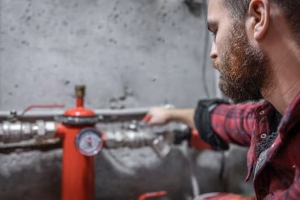
gas fitting services
The Gas Fitting Service Process: Step by Step
So what actually happens when a gas fitter arrives? Here’s the typical process:
- Initial contact and quote. First you call or email a gas fitting company. A friendly technician will ask questions: Are you installing a new appliance, converting to gas, or repairing something? They’ll use that info to give you a quote. In Tasmania, you should always get an upfront quote. Gas fitting companies know each job is unique, so they explain costs clearly with no hidden surprises.
- Appointment and preparation. When booking an appointment, your fitter will ask you to clear the area around the work . On the day, they’ll usually arrive in a van loaded with tools and parts. A quick look around ensures nothing unexpected is near the work area.
- Shutting off gas supply. Before touching anything, the gas fitter will shut off the gas mains or cylinder supply. This is a crucial safety step – no fuel, no flame. They’ll also ensure good ventilation by opening windows or running exhaust fans. Safety glasses on, tools ready, it’s time.
- Removal of old equipment. If you’re swapping out an appliance, the fitter will carefully disconnect and remove the old unit. They cap any unused gas lines and make sure the old equipment is cleared away safely. Think of it like unwrapping a very stubborn candy careful not to spill gas.
- Installing new pipes or appliances. Next comes the main event. If new piping is needed, the fitter cuts, bends and joins gas-approved steel or copper pipes to route gas to the appliance. If it’s a new cooktop or heater, they position it and make the connection. Every fitting is tightened, soldered or sealed exactly to code.
Example: Here’s a gas cylinder and regulator. A licensed gas fitter will attach the correct cylinder and regulator type, then test the connection. Notice how sturdy and neat the fittings look – that’s exactly what you want. - Leak testing and pressure check. This is safety-critical. The fitter will pressurize the line with air or inert gas and use a gauge and soapy water to check every joint. If bubbles appear, they tighten until it’s bubble-free. They’ll also listen and sometimes even use sniffers for trace leaks. Only after passing this test do they consider the system safe to open to gas.
- Lighting up and final adjustments. With confidence that there are no leaks, the gas is turned back on at the source. The fitter lights the appliance to verify it ignites properly and burns cleanly. They’ll adjust flame levels or thermostat settings to manufacturer specs. A flickering or yellow flame would mean more adjustments or cleaning.
- Safety check and ventilation. The fitter inspects ventilation. Is the flu clear? Are rangehood fans working? They might even check carbon monoxide levels with a meter, especially for flued heaters. In Tassie, regulations emphasize no blockages; anything that might trap CO or reduce airflow gets remedied They also ensure your CO alarm is functioning.
- Cleanup and instructions. After the work, the fitter cleans up, returning furniture or items moved out of the way. Then they’ll explain what was done and give you the paperwork – the Gas Fitting Notice as required by law. They usually leave a sticker or tag on the appliance noting the date of service. Feel free to ask questions now: that’s the perfect time!
- Final sign-off. The best gas fitters invite you to inspect the work and even turn on the appliances with them once more. It’s not bragging; they want you to feel confident. They’ll usually provide contact info for any follow-up or questions.
Throughout the process, the gas fitter is also looking out for small issues – loose vents, small rust spots on pipes, or that telltale gas smell lingering. Catching these things now can save headaches later. In my many experiences, having a pro do these checks is worth every cent.
Gas Safety Tips: Keeping Your Home Safe
Even with a perfect installation, household safety is an ongoing task. Here are some do’s and don’ts to keep in mind:
Do | Don’t |
Use a licensed gas fitter for all installations and repairs | Attempt DIY gas repairs or use an unlicensed handyman |
Service and clean appliances every 1–2 years | Ignore rusted pipes or blockages |
Install and test carbon-monoxide detectors near gas appliances | Block flues, chimneys or vents |
Keep cylinders upright, secured and away from heat | Store paints, solvents or propane too close to gas lines |
| Know the smell of gas: if you detect it, act immediately | Use open flames to detect a leak |
A few extra bits of advice:
- Leak precautions: Natural gas has an odorant added for safety. If you ever smell gas, leave the house immediately, open windows and doors on your way out, turn off the meter or cylinder valve if safe to do so, and call your gas fitter or supplier.
- Carbon monoxide (CO): This silent killer is riskier in winter when we run heaters in closed spaces. Always have a working CO alarm. If you feel dizzy, nauseous or get headaches near a gas heater, treat it like an alarm: turn it off, ventilate, and get a pro to check it. Energy safety authorities strongly recommend servicing to prevent CO – a small blocked burner can turn a safe flame into a hazard.
- Ventilation: Never block air bricks, flues, or heater vents with laundry or furniture. Appliances need oxygen to burn safely, and they need a clear path to exhaust fumes outside. Gas fitters will usually point out existing problems, so thank them for the tip!
- Cylinders vs Mains: If you use LPG cylinders, make sure they’re on a flat surface and upright. Swap empty cylinders before they run bone-dry – a near-empty cylinder can spit liquid gas into the regulator and cause issues. And always get a professional to change or top up cylinders if you’re unsure.
Another gem: a modern gas cooktop lit with a steady blue flame. It looks easy, but remember – every burner is connected to your gas plumbing. Keeping that flame stable and strong is a job for your gas fitter and regular check-ups, not trial and error at home.
Choosing the Right Gas Fitting Service in Tasmania
With safety on the line, pick your gas fitter like you pick a doctor. Here are some tips:
- Check their licence and insurance. Don’t be shy about asking to see their licence details. In Tasmania, gas-fitters must be licensed under the Occupational Licensing Act. A reputable company will be happy to show credentials, including liability insurance. You can also use the Tasmanian government’s online check to verify a licence if you wish.
- Look for experience and references. Ask if they’ve done similar work in Tasmania. Good fitters will have a history of happy customers and can often provide references or reviews.
- Transparent quoting. A trustworthy gas fitting service will give a written quote that includes labour, parts, and any fees. If something sounds fishy, remember, someone’s cutting corners may be safe.
- Emergency availability. Gas leaks don’t wait for business hours. Some companies offer 24/7 emergency services. This might cost a bit more, but in a real crisis it’s worth it.
- Local knowledge. Tasmanian homes can be old, with quirky gas setups . A local pro will know regional issues like venting rules for certain devices, or if your home has both mains gas and bottled gas areas.
Conclusion
Gas fitting might sound dull, but it’s one of the most important services for your home’s safety and comfort. From that first call to the last safety check, a professional gas fitter follows a careful process to make sure everything works smoothly and safely. By choosing a licensed gas fitting service in Tasmania and following these safety tips, you’ll keep your home cozy without worry.
Stay curious if a flame looks odd or you catch a whiff of gas, contact your gas fitter right away. They deal with these things daily; there’s no silly question when it comes to safety. Consumer, Building and Occupational Services (CBOS) Tasmania And remember, a well-maintained gas system is a reliable, efficient system. Why risk a wobbly propane tank or a scary leak, when help is only a phone call away? Reach out, get that peace of mind, and enjoy the warmth.