What to Know Before Hot Water Heater Replacement in Tasmania
When considering hot water heater replacement in Tasmania, there are several important factors to keep in mind to ensure a smooth and successful process. Tasmania’s climate can be quite variable, with cold winters and cool summers, so having a reliable and energy-efficient hot water system is essential. hot water heater replacementThe first thing to consider is the type of water heater that best suits your needs. In Tasmania, common options include electric, gas, and solar hot water systems. Each type comes with its own set of benefits and limitations. Electric water heaters are typically cheaper to install, but can be more expensive to operate over time. Gas heaters are efficient and generally cost-effective, especially in areas where natural gas is readily available, though they require proper ventilation and maintenance. Solar hot water systems, on the other hand, can significantly reduce long-term energy costs, but they often come with a higher upfront installation cost and require a sunny location to operate efficiently.
Why Replace Your Hot Water Heater in Tasmania?
Replacing your hot water heater in Tasmania is a decision that can save you money, improve energy efficiency, and ensure your home remains comfortable throughout the year. Tasmania’s climate, with its cold winters and cooler temperatures year-round, makes a reliable hot water system essential. hot water heater replacementOver time, older water heaters can lose their efficiency, leading to higher energy consumption, inconsistent hot water supply, and even potential system breakdowns. A new, energy-efficient hot water heater can significantly reduce your energy bills, as modern systems are designed to work more effectively, using less power while providing a consistent hot water supply.In addition, replacing an old or outdated water heater prevents the risk of unexpected breakdowns, which can leave you without hot water at the worst possible time, especially during colder months. If your current heater is more than 10-15 years old, it’s likely to be operating less efficiently, which could lead to costly repairs down the line. Additionally, older heaters can be more prone to leaks, rust, and sediment buildup, which can damage the tank and other components.hot water heater replacementA new water heater also comes with the benefit of new features, such as smart technology and improved safety mechanisms. hot water heater replacement For example, newer models often have better insulation, which helps to maintain hot water temperatures for longer periods and reduce heat loss. Furthermore, upgrading your system could add value to your home, especially if you’re planning to sell in the future.In Tasmania, where the cost of living can be high and energy prices fluctuate, making the switch to a more efficient water heating system can be a wise investment. The initial cost of replacement may seem steep, but over time, the savings in energy bills and the peace of mind knowing you have a reliable hot water supply make it a smart choice for homeowners in the region.
The Step-by-Step Process of Hot Water Heater Replacement
Replacing a hot water heater may seem daunting, but when broken down into steps, it’s pretty manageable. hot water heater replacement Here’s a straightforward guide to help you navigate the process:
1. Evaluate Your Hot Water Needs
Start by understanding what you need. How many people live in your household? What size of water heater will suit your needs best? In Tasmania, the colder weather means you’ll probably need a more powerful unit to handle the demand, especially if you live in a larger household.
Small (1-2 people): 50L – 80L unit
Medium (3-4 people): 125L – 170L unit
Large (5+ people): 250L – 315L unit
2. Choose the Right Type of Heater
There are a few types of hot water heaters, and the best option for you depends on your budget, energy preferences, and home size. Your choices include:
Electric Hot Water Heaters: These are common in Tasmania and offer an affordable upfront cost, but they can be less energy-efficient in the long run.
Gas Hot Water Heaters: These heaters tend to be cheaper to run but require a gas connection, which not all homes in Tasmania have.
Solar Hot Water Systems: A great environmentally friendly option, solar heaters are fantastic for reducing long-term energy costs, especially in sunny areas. However, they can come with a high initial investment.
Heat Pump Hot Water Heaters: These energy-efficient units work well in Tasmania’s cooler climate, as they absorb heat from the air to warm your water.
3. Find a Qualified Plumber or Technician
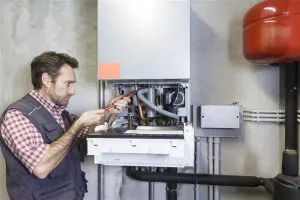
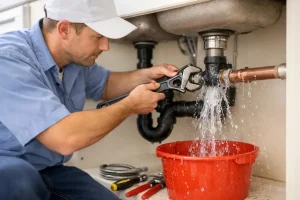
It’s tempting to tackle this DIY-style, but professional installation is essential for safety and efficiency. hot water heater replacement A qualified plumber will ensure that your new hot water heater meets all local regulations, including water and energy efficiency standards. They’ll also know how to dispose of the old unit properly.Make sure you hire a licensed and experienced tradesperson who can recommend the best system based on your household needs.
4. Get an Energy-Efficient Model
When replacing your hot water heater, consider opting for an energy-efficient model. You’ll save on energy bills in the long run, which is especially important in Tasmania’s cold winters. Look for models that are Energy Star rated or have a good energy efficiency rating (EER).
5. Installation and Setup
Once you’ve chosen your model, it’s time for the installation. During the setup, the plumber will:
Disconnect the old unit.
Install the new system, ensuring that all pipes are correctly connected.
Test the system to ensure it functions properly.
Set the temperature on the thermostat to ensure safety.
6. Maintenance and Regular Inspections
Once your new heater is up and running, it’s important to maintain it. Regular servicing will help extend its lifespan and keep it running efficiently. Some maintenance tips include:
Annual inspections by a professional plumber.
Flushing the tank every 12 months to prevent sediment build-up.
Checking for leaks regularly.
What to Expect in Terms of Costs?
The cost of hot water heater replacement in Tasmania can vary based on factors like size, type of heater, and installation complexity. Here’s a rough breakdown of what you might expect:
Heater Type
Average Cost (Including Installation)
Electric Water Heater
$600 – $1,500
Gas Water Heater
$900 – $2,000
Solar Water Heater
$3,000 – $5,000
Heat Pump Water Heater
$2,000 – $3,500
While solar and heat pump systems may require a larger upfront investment, they can save you money over time thanks to their energy efficiency.
Conclusion: Stay Warm, Stay Efficient!
Replacing your hot water heater doesn’t have to be a headache. By following this step-by-step guide, you can make an informed decision that will provide you with reliable, energy-efficient hot water for years to come. Whether you opt for a gas, electric, solar, or heat pump model, the key is choosing the right system for your home and budget, in accordance with the Tasmanian Government – Building and Plumbing Regulations.Ready to take the plunge and replace your hot water heater? Contact a local plumber in Tasmania today to get started on your hot water upgrade!
Frequently Asked Questions (FAQs)
How long does a hot water heater last in Tasmania?
A well-maintained hot water heater can last up to 10-15 years. Regular inspections and servicing can extend its lifespan.
Can I replace my old heater with a different type?
Yes, it’s possible to switch to a different type of hot water system (e.g., from electric to gas or solar). However, you should consult a professional to ensure compatibility with your plumbing.
How much energy can I save by replacing my old heater with a more energy-efficient one?
Energy savings can vary, but switching to an energy-efficient model can save you up to 30% on your energy bills over time.