Pipe relining services offer a modern and efficient solution for plumbing issues, especially in areas like Hobart. Instead of dealing with the hassle of digging up your yard or using traditional methods to fix pipe problems, a plumber can insert a special liner into your pipes through existing access points. This trenchless, no-dig technique effectively renews old pipes from the inside, saving both time and money. With pipe relining services, it’s a quick process, often completed in just a few hours.
TasWater has recognized the benefits of this approach and has initiated a statewide sewer relining project, praising it as a “smarter, more efficient” solution that’s “less disruptive” than conventional methods, which can take weeks and cause significant damage to landscaping.
We’re talking about an Aussie plumbing revolution that keeps footpaths, driveways and gardens intact. As a Tasmanian, you can breathe easy: pipe relining means no muddy trenches, no chainsaw-wielding crews, and yes, far fewer sleepless nights worrying about burst pipes.
Local experts at Nuflow Devonport explain that these pipe relining services repair broken drains “without ever needing to dig up your pipes”. In other words, it’s like giving your pipes an internal upgrade without tearing down your house. Below, we’ll unpack how this clever fix works and why it’s a perfect fit for homes across Tasmania – from Launceston to the Huon Valley.
What Are Pipe Relining Services?
So, what exactly are pipe relining services? Think of it as a “pipe-within-a-pipe” solution. Instead of digging up an entire sewer or stormwater drain, a certified plumber inspects the problematic pipe with a CCTV camera.
Once they identify the trouble , they clear out debris and then pull a flexible, resin-coated liner through the pipe. This liner inflates and hardens, creating a brand-new inner pipe that seals all leaks and cracks.
This cured resin lining becomes a durable, corrosion-resistant new pipe inside the old one. As one industry blog explains, “a pipe liner, typically a fibreglass or flexible felt tube saturated with a self-hardening epoxy resin, is inserted into the existing damaged pipe. This pipe liner conforms to the pipe’s inner walls after curing and seals all damage, including cracks, leaks, and disconnected joints.”.
The end result? Your plumbing works like new, and even sections that were missing or broken are permanently rebuilt from within.
This trenchless method has become popular because it’s so seamless. You might hardly notice the repair crew came because your pipes stay mostly in place, and your sewer service often continues during the work.
TasWater puts it simply: instead of ripping up and replacing sewer lines, relining “installs a new, durable lining inside the existing pipes, reinforcing them from within”. It’s basically giving your old pipes a second life without swinging a backhoe at your property.
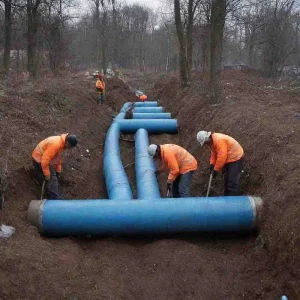
Top Benefits of Pipe Relining Services
Why are pipe relining services all the rage in Tasmania right now? Here are the main benefits, explained in plain English:
- No digging, no drama. Forget massive trenches. Pipe relining is no-dig – the liner goes in through your existing drain access. This means your lawn, driveway or footpath stays untouched. You won’t need to repaint fences or re-turf a garden because of a repair. As one pipelining specialist puts it, relining “minimises the disruption and demolition to any building or environment”. It’s like fixing a car’s engine by reaching in through a hatch instead of tearing the bumper off.
- Speedy repairs. Traditional repairs can take days or weeks of digging and refilling. With relining, many repairs wrap up in hours or a single day. In fact, Nuflow Hobart notes that pipe relining “takes a fraction of the time of traditional repiping methods. Repairs often completed the same day”. For busy Tasmanians, that means less downtime – no missing work for a week, no detours around your street, and far quicker relief from leaks and clogs.
- Long-lasting results. These liners are built tough. Independent tests have found that a cured resin liner can be stronger than a brand-new pipe. Many manufacturers even offer 50-year warranties on relined sections, essentially the lifetime of modern plumbing. In practice, once relined, you probably won’t have to think about that pipe again. It’s an investment in your home’s long-term health.
- Cost-effective. You might be surprised – trenchless relining is often cheaper than full replacement. Because there’s less labor and no expensive demolition/restoration, you save on trenching, traffic control, landscaping repairs, etc. TasWater highlights that relining is a “cost-effective” solution. Industry estimates suggest trenchless repairs can cost up to 30–40% less overall than open excavation. In other words, your wallet stays happier.
- Clean and eco-friendly. Tasmanians love our natural beauty, and relining is a greener fix. It reuses the existing pipe rather than buying new ones, so there’s less material waste. There’s also minimal machinery and fuel use – no noisy excavators tearing up the ground. As Nuflow Logan (QLD) puts it, pipe relining “reuses what’s already there” and “requires no new pipe manufacturing”, dramatically cutting waste. Plus, by avoiding big trenches, we keep soil and tree roots undisturbed. It’s literally an environmentally friendly plumbing choice.
- Keeps roots and leaks in check. Many Tasmanian pipes fall victim to pesky tree roots or leaks that worsen over time. The smooth, seamless lining seals all the cracks and joints, closing off entry points for roots and water. Relining experts highlight that it “seals off leaks and prevents tree root intrusion”, smoothing out jagged cracks. Once relined, your pipes are much more resistant to the natural wear and tear that used to cause blockages.
The net result? Pipe relining services give you a future-proof pipe. Your drains flow better and last longer, all without a single gardener’s shovel.
How Pipe Relining Works: Step by Step
Ready for a quick walkthrough of the relining process? Here’s how your local plumber usually gets it done, step by step:
- CCTV Inspection: First, a tiny camera on a cable is sent through your pipes. This lets the plumber see exactly where the cracks, roots or breaks are. You get real-time HD footage of the pipe’s interior so nothing is left to guesswork.
- Pipe Cleaning: Next, any blockages or debris are cleared. High-pressure water jets or pneumatic tools flush out everything. Think of it as pressure-washing the inside of the pipe. We need a clean canvas for the new liner to bond.
- Liner Installation: Now for the magic. A flexible tube, called a liner, is saturated with epoxy resin and pulled or pushed into the pipe via an access point . Once in place, the liner is inflated to press against the pipe walls. The resin cures (hardens) in minutes, forming a tough new internal pipe. This new “pipe within a pipe” seals cracks, holes and loose joints.
- Final Inspection: Lastly, the camera goes back in to double-check the job. The video confirms that the new lining filled all gaps and that flow is clear. When the plumber is satisfied, the system is in service again – often the same day.
Each of these steps is performed through existing access points, so there’s minimal excavation or mess. In fact, TasWater notes that you might see construction crews and some noise for a short while, but no major road closures or utility shutdowns. Your plumbing is fixed from the inside out.
Pipe Relining vs. Traditional Replacement
Wondering how pipe relining stacks up against the old-school fix of digging up and swapping pipes? Here’s a handy comparison:
|
Feature |
Traditional Pipe Replacement | Pipe Relining Services |
|
Disruption |
Requires open excavation – digging up lawns, roads and driveways. Big mess to fix up after |
No major digging – work is done via existing access. Yards and streets stay intact |
|
Timeframe |
Can take days or weeks | Much faster – often a day or less once started |
| Cost | Higher due to labor, machinery, permits, and restoring surfaces |
Generally lower: avoids heavy labor and restoration costs |
|
Longevity |
New pipe depends on material; may still suffer from root issues or corrosion over time | Lined pipe is extremely durable – tested stronger than new pipes, with a 50+ year design life |
|
Environmental Impact |
Generates lots of waste |
Eco-friendly: reuses existing pipe, minimal waste & emissions |
| Ideal Use Case | When pipes are completely collapsed or cannot be accessed any other way |
Most repair scenarios: cracks, leaks, root intrusion, offset joints, etc |
This table shows it clearly: pipe relining services often win in disruption, cost and environmental categories. For Tasmanian homeowners who cherish tidy landscapes and quick fixes, the choice becomes a no-brainer.
Why Pipe Relining is a Tasmanian Favourite
You might be wondering if this high-tech method really suits Tasmania. The answer is a resounding yes. From Hobart’s older inner-city homes to rural properties, pipe relining services are proving popular here. Local plumbers note that many Tasmanian houses have ageing pipework , making them prime candidates for relining upgrades. Plus, Tasmanian soil can be tricky – think heavy clays in the Midlands or acidic peat in the Highlands – which makes digging a real headache. Relining sidesteps all that.
Our statewide water authority, TasWater, agrees. They’ve invested in relining for both sewer and stormwater lines, keeping wastewater flowing safely without disturbing communities. And local businesses are on board too. For example, the team at Nuflow Devonport says they know the “unique plumbing problems that are unique to Tasmania’s infrastructure and environmental conditions”. That means they tailor relining solutions to local needs whether it’s Hobart’s hilly terrain, Launceston’s heritage streets or Bruny Island’s remote areas.
In short, pipe relining services fit the Tasmanian lifestyle. We get a top-notch fix without the razzamatazz of heavy construction. It’s like ordering your favourite Tasmanian wine high quality, well-made, and delivered without fuss.
Conclusion
Pipe relining isn’t just plumber jargon, it’s a genuine game-changer for Tasmania’s homes and businesses. By renewing pipes from the inside, pipe relining services offer a faster, cheaper, and greener alternative to replacing old drains. There’s no digging up your dream vegetable patch or patching up your path afterward. Instead, you get durable, long-lasting repairs that often come with decades-long warranties.
If you’ve been hearing strange gurgles or spotting wet patches, don’t put off a solution. Reach out to a licensed Tasmanian plumber and ask about pipe relining. Keeping your drainage system in good condition is also something Tasmania’s Department of Health strongly encourages, as damaged pipes can impact hygiene and public health.
Let the plumber walk your pipes with a camera, assess the damage, and install a new lining while you get on with your life. With all the benefits above, it’s no wonder more Tasmanians are choosing pipe relining.
Don’t wait until your next family gathering gets spoiled by a plumbing disaster. Explore pipe relining services in Tasmania today and give your pipes the modern fix they deserve
Frequently Asked Questions
-
What problems can pipe relining fix?
It can repair leaks, cracks, offset joints and even root-damaged sections in underground drains. If your sewer or stormwater pipes are leaking, blocked by roots or slowly sagging, relining often fixes them without replacement.
-
How long does pipe relining last?
Very long! The cured resin liner is corrosion-resistant and rigid. It’s typically backed by 50-year guarantees. In most cases, once relined, the pipe lasts as long than a brand new pipe would.
-
Is pipe relining expensive?
Actually, it usually costs less than digging up and replacing pipes. You save on excavation, labour and restoration of gardens or concrete. Many Australians report trenchless repairs being 30–40% cheaper overall than traditional methods.
-
Can all pipes be relined?
Most household sewer and stormwater pipes (like PVC, clay, concrete or cast iron) can be relined if they have an access point and are not totally collapsed. A CCTV inspection will confirm if relining is possible. Pipes that are completely collapsed or missing large sections may need conventional replacement.
-
How long does a pipe relining job take?
It depends on the length and complexity, but many residential repairs are done in a day. Once pipes are cleaned and prepared, installing and curing the liner typically takes a few hours. Compare that to weeks of digging and you see the advantage!
-
Are relined pipes more eco-friendly?
Yes. Relining reuses the existing pipe, so there’s no waste of old pipe segments. It also avoids heavy digging equipment, reducing fuel use and greenhouse gas emissions. Plus, because the repair is done through existing openings, trees and gardens stay undisturbed, protecting local ecosystems.