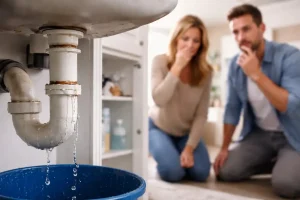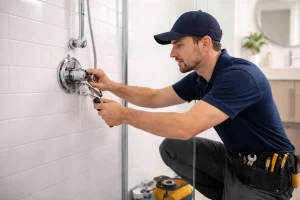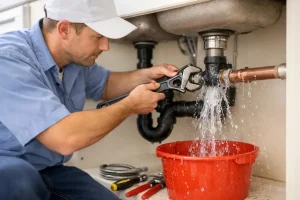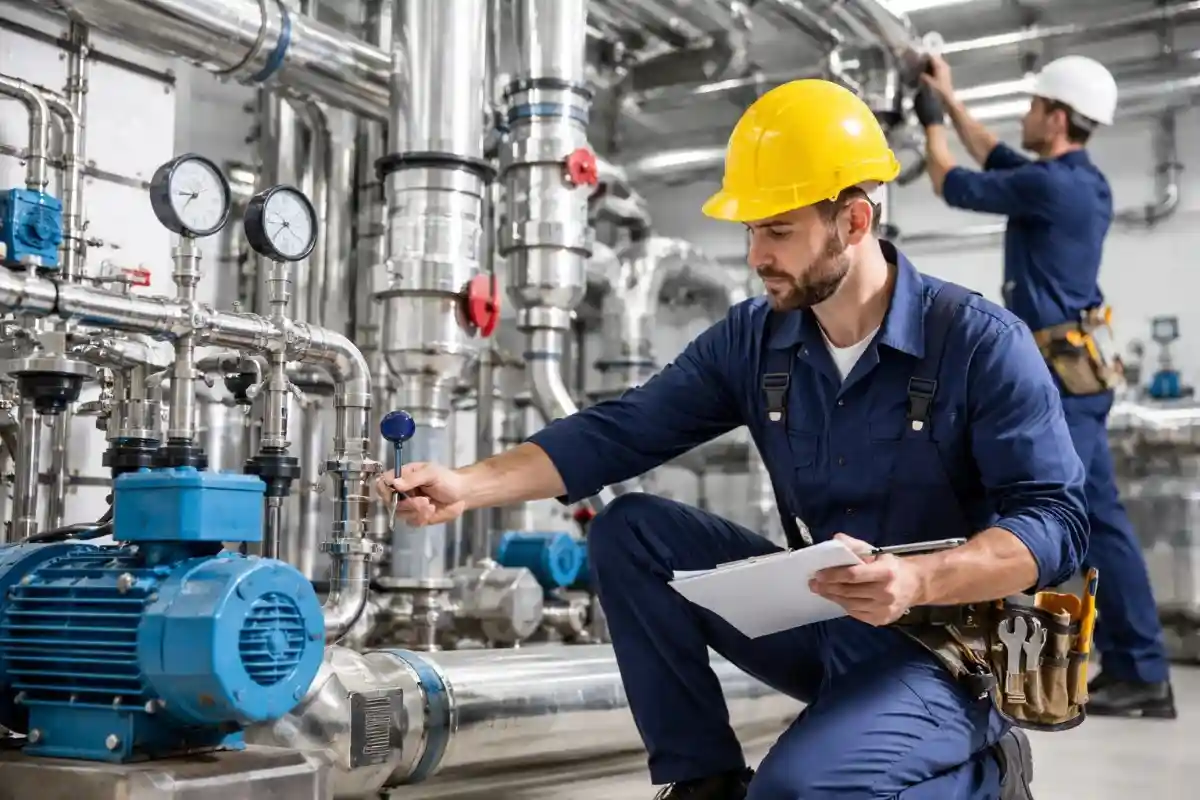
So, you’re the proud owner of a bustling Hobart café (or maybe just the one stuck with calling the landlord about a flood). Ever turned on a tap and watched water spray like a mini geyser across your office floor? Yeah, not fun. In steps the commercial plumber think of them as the building’s emergency mechanic. Commercial plumbing services cover everything from fixing burst pipes in office buildings to installing fancy motion-sensor taps in shopping centers. They keep the water flowing.
What exactly are these services? Simply put, commercial plumbing services are a specialized set of tasks for businesses and large facilities.
They include design-build projects, inspections, maintenance and repairs of plumbing systems in places like offices, hospitals, restaurants and schools. Unlike a fix that a DIY enthusiast might do at home, commercial plumbing means big pipes, high water usage, and complex needs.
Commercial plumbing is critical for business safety and continuity. A broken pipe can shut down a store in minutes; untested backflow devices can risk contamination; and failing to meet codes can land you in legal trouble. In fact, in Tasmania any significant plumbing work must be done by a licensed plumber. That’s why savvy business owners schedule regular check-ups and maintenance plans – it saves money in the long run (the last thing you want is to replace soaked floorboards later).
Commercial vs Residential Plumbing
You might wonder how this differs from the plumber who fixes your home sink. Well, it’s like comparing a skateboard to a semi-trailer. Commercial systems are way bigger and tougher. Here’s how they differ:
- Scale & Complexity: Commercial plumbing services handles huge flow (think dozens of taps and toilets running at once) and special lines (gas for kitchens, medical air in hospitals). Residential systems are simpler – one house, one water heater, a handful of fixtures.
- Regulations: Commercial plumbing is heavily regulated. Buildings must have things like backflow preventers and annual inspections to keep water safe, and plumbers follow strict codes. Residential plumbing still follows the national code, but the stakes are lower for a private home.
- Equipment & Materials: Commercial plumbers use heavy-duty materials and specialized tools (industrial pipes, big pumps, power drain cleaners). Residential jobs use standard household pipes and wrenches.
- Impact if It Fails: A plumbing failure in a business can mean serious losses – water damage, downtime and upset customers. At home, a leak is annoying and messy, but it won’t shut down your paycheck.
- Service Level & Cost: Many commercial plumbing companies offer 24/7 emergency response because a burst pipe in a store can’t wait until Monday morning. Commercial jobs also tend to cost more due to scale and urgency. Residential plumbing usually happens in business hours at lower rates.
|
Aspect |
Commercial Plumbing |
Residential Plumbing |
|
Size/Scale |
Large buildings (offices, shops, factories) with many fixtures (hundreds of taps/sinks). |
Single-home systems with a few fixtures. |
|
Complexity |
Complex networks (multi-storey piping, special gas/air lines, large boilers or tanks). |
Simple one- or two-bath layouts. |
|
Regulations |
Strict compliance: building codes, health standards, annual testing (e.g. backflow). |
Fewer mandates; follows national code but lower risk. |
|
Equipment |
Heavy-duty pipes, pumps and industrial-grade tools. |
Standard household pipes and tools. |
|
Impact if Fails |
Business downtime, high repair costs, safety hazards. |
Inconvenience, property damage at home. |
| Maintenance | Scheduled upkeep and quick fixes save money and prevent disasters. |
Often reactive (fix when something breaks). |
Common Commercial Plumbing Services
So what do commercial plumbers actually do each day? Their toolbox is pretty well-stocked. Common tasks include busted water pipe repair, dripping faucet repair, gas fitting services, hot water heater replacement, and leaking shower repair. From a single leaky tap to a full system retrofit, they handle it all.
- Routine Maintenance & Repairs: Regular check-ups catch small problems early. A commercial plumber will inspect pipes, valves and water heaters to prevent failures. (For example, a tiny drip in a large building could waste over 6% of its total water use, which adds up fast.)
- New Installations: Building an office tower or expanding a restaurant? Commercial plumbers design and install the plumbing system, working with architects or engineers to suit the space. They make sure the new setup can handle the load whether that’s 500 people showering in a gym or chefs using multiple ovens in a hotel kitchen.
- Compliance & Safety Checks: Businesses must meet health and safety standards. Commercial plumbers ensure plumbing systems adhere to laws (like backflow prevention and water-quality rules) and perform required tests to avoid legal headaches.
- Water Efficiency Upgrades: Many businesses want to save water and energy. Plumbers can replace old fixtures with sensor taps, low-flow toilets or even rainwater recycling. (In fact, one study found automatic faucets cut water use by up to 54% compared to manual taps.)
- Gas Line Work: If your building uses gas (for heating or cooking), a qualified gas plumber takes care of it. This includes running new gas lines, installing hot water systems, or fixing leaks – tasks that must be handled safely.
- Hot Water Systems: Large businesses often have commercial-size heaters or boilers. Plumbers install and maintain these, too. Simple tasks like flushing out sediment from a tank once a year can double its lifespan. Keeping hot water reliable is critical – no one wants cold showers at a hotel or broken tea makers in a café.
- Emergency Repairs: Flooding toilets, broken pipes, sewer backups – these don’t wait for daylight. Most commercial plumbing companies offer 24/7 emergency service. Quick fixes prevent damage and panic, allowing your business to reopen as soon as possible.
Why Your Business Needs These Services
Ignoring minor plumbing issues, such as a dripping tap, can lead to serious and costly problems for businesses. Over time, water leaks may cause damage to inventory, disrupt operations, and result in lost revenue. Regular commercial plumbing services maintenance helps prevent these issues by identifying and fixing problems early. By partnering with professional plumbing experts, businesses can reduce repair costs, avoid unexpected shutdowns, and maintain a safe, reliable environment for customers and staff.
There’s also the legal and safety side. In Tasmania, hiring a licensed plumber isn’t optional – it’s required for most jobs. For more info, see the Tasmanian Government’s CBOS page on plumbing licenses for official details. Professional commercial plumbing services are delivered by a qualified commercial plumber who knows all the rules (and holds the right certifications), ensuring your building won’t accidentally violate the Plumbing Code.
They test things like backflow preventers and gas lines, ensuring nobody gets poisoned and no supply gets contaminated. In other words, they protect your customers, employees and reputation.
What about the resources? Tiny leaks waste big water. A study once found small leaks can pour out 10,000 gallons a year in a single building. That’s money down the drain (literally). A commercial plumber will plug those drips and might even upgrade your fixtures for efficiency. For example, switching from old faucets to sensor-activated ones might halve your water use – which means lower bills and a greener business image.
Finally, think customer experience. You want the café restrooms in your shopping centre to work flawlessly. You need the hotel showers hot at 6 AM. Good commercial plumbing services help make that happen behind the scenes. When everything flows smoothly, you can focus on serving people, not unclogging drains. And trust me, your patrons will appreciate it: a malfunctioning toilet or cold water is a quick way to earn bad reviews.
Choosing and Working with Commercial Plumbers
How do you find the right people? First, look for plumbers who specialize in commercial work. Check that they’re licensed and insured – in Tasmania this is the law for most plumbing tasks. A good commercial plumber will happily show you their credentials and maybe references from other businesses.
It’s smart to set up a maintenance plan if you can. Many companies offer service agreements where they bundle tasks (like annual pipe inspections, heater flushes and fixture check-ups) into one contract. That often comes at a better rate than calling for each drip or breakdown. Bundling services means fewer emergency call-outs and more predictable budgets, which every business owner loves.
Communication is key when choosing commercial plumbing services, especially for complex Plumbing & Drainage systems. Pick someone who explains issues in plain terms and responds quickly. Read reviews or ask fellow business owners for recommendations. You want a plumber with transparent pricing—avoid surprise fees after midnight. And because emergencies happen, make sure they offer after-hours support. Reliable commercial plumbing services won’t leave you hanging when the lights are off and the gushing starts.
Remember, a bit of homework now can save a lot of trouble later. Properly vetting and choosing your plumbing partner means fewer headaches down the road. You’ll sleep better knowing that if a pipe bursts on New Year’s Eve, there’s a professional on call – not just a wet mess and a panicked phone call.
Conclusion
Running a business in Tasmania can be unpredictable (even the weather), but your plumbing shouldn’t be a wild card. Commercial plumbing services are the behind-the-scenes heroes that keep everything running. They handle installs, maintenance, emergency fixes and code compliance all so you can focus on your customers, not clogged drains.
By investing in reliable commercial plumbing services, you protect your bottom line and your peace of mind. A stitch in time (and a pipe fixed on time) saves a fortune. After all, having a trusted plumber on speed dial is a smart move. Remember, reliable commercial plumbing services are the smartest safeguard you can have.
Frequently Asked Questions
-
What are commercial plumbing services?
Commercial plumbing services are specialized plumbing solutions for businesses. They cover design, installation, maintenance and repair of plumbing systems in offices, shops and hotels.
-
Why do businesses need commercial plumbing services?
Businesses need commercial plumbing services for safety and compliance. Failures can shut down operations or create health hazards, so routine maintenance saves money.
-
How are commercial plumbing services different from residential?
Commercial plumbing services involve larger-scale systems and stricter standards (like mandatory backflow testing). Residential plumbing is much smaller and simpler.
-
Who can legally do plumbing work in Tasmania?
In Tasmania, any plumbing work beyond minor repairs must be done by a licensed plumber. Hiring an unlicensed person for bigger jobs can lead to fines or void warranties.
-
How often should I schedule commercial plumbing maintenance?
Plan an annual inspection for your key systems (like heaters and backflow devices) and fix leaks promptly. Preventive maintenance (such as yearly testing) helps avoid costly emergencies.
-
Do commercial plumbers handle emergencies?
Yes, most commercial plumbing services offer 24/7 emergency response. They understand a burst pipe or flooded toilet can’t wait, so they’ll come quickly to minimize downtime