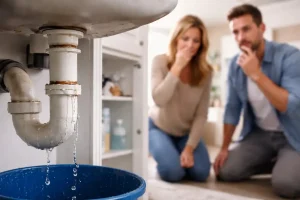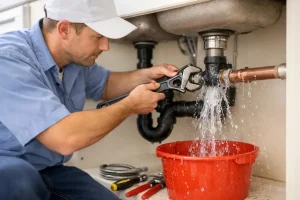
A burst pipe can strike without warning, turning a calm home into a mini indoor flood in minutes. In Tasmania, older plumbing systems, cold winters, and fluctuating water pressures make burst pipes a common yet serious problem. Knowing what to do during an emergency burst pipe repair can save you thousands in property damage, prevent mold growth, and protect your family’s safety.
When a pipe bursts, every second counts. The water won’t stop on its own, and small leaks can quickly escalate into major flooding, damaging walls, floors, and possessions. The key is acting fast, staying calm, and following the right steps. From shutting off the main water supply and securing electrical systems to containing water and calling a licensed emergency plumber, each action plays a crucial role in limiting damage.
This guide provides Tasmanian homeowners and renters with a clear, step-by-step plan for handling burst pipes, helping you respond effectively while waiting for professional assistance. By understanding the warning signs, immediate actions, and preventive measures, you’ll not only handle emergencies with confidence but also protect your home from long-term water damage. Whether you’re in Hobart, Launceston, or a coastal town, these practical tips ensure you’re prepared for the unexpected.
Emergency Burst Pipe Scenario – What You Need to Know
A burst pipe is one of those household emergencies that never happens at a convenient time. One minute everything’s fine, and the next, water is gushing through your home, threatening your walls, floors, and belongings. In Tasmania, where older plumbing systems and changing weather conditions can put extra stress on pipes, this problem isn’t uncommon. Knowing exactly what to do during an emergency burst pipe repair can make the difference between a quick fix and major water damage. This guide will walk you through how to spot the signs, take immediate action, and protect your home before professional help arrives.
Step 1: Shut Off the Water Supply
The very first move in an emergency burst pipe repair is to stop the water at its source. Find and close your main water shut-off valve immediately. This valve is usually where the water supply enters your home often under a lid near the street or at the front of your property. In Tasmania’s milder climate, it’s commonly outside near the boundary, but older homes or cold areas might have it inside.
Once located, turn the valve clockwise until it stops. This cuts off the water to your entire house exactly what Master Plumbers experts advise. After shutting off the main valve, open a faucet downstairs or the lowest faucet in your house this releases pressure and drains the water left in the pipes. You can run the hot and cold taps for a minute until water flow stops. This extra step prevents residual pressure from causing more water to squirt out.
By shutting off the water and draining the system, you’ve stopped the flood at its source. It might seem obvious, but people often forget to do this first. As soon as the water stops, you’ve dramatically limited the damage.
Step 2: Turn Off Electricity
After the water is off, the next priority is safety. If there’s any chance water has reached electrical outlets, switches, or appliances, turn off the power at the main electrical panel. Water and electricity don’t mix! In a flooded home, there’s a real risk of shock or fire. So shut down power to the affected areas. If unsure, do it anyway – better safe than electrocuted.
Next, open all windows and doors around the leak to start drying the air. Circulating air helps limit mold and secondary damage. Then grab towels, buckets or even a wet/dry vacuum to soak up standing water. Place bowls or bins under the leak to catch drips. Lay old towels or rags along the perimeter of the water to stop it from spreading to carpets or other rooms. Quick tip: Prop up wet carpets with bricks or coasters to allow air flow underneath.
Containment is key: literally contain the water with towels and barriers. If the leak is small enough, you can use duct tape or a pipe clamp as a temporary patch until the plumber arrives – but only if you’re confident. Wrapping a burst section with rubber and tape can temporarily slow the leak. However, these fixes are short-term. The main point is: get water away from valuables and contain the mess as much as possible.
- Bucket Brigade: Use buckets or pans to catch drips.
- Elevate Belongings: Lift furniture and electronics off the floor.
- Fan the Flames: Use fans or heaters to dry things out.
- Document Everything: While you’re waiting, take photos or video of the burst pipe and any damage. This evidence is crucial for insurance claims and showing the plumber what they’re dealing with.

Step 3: Call an Emergency Plumber
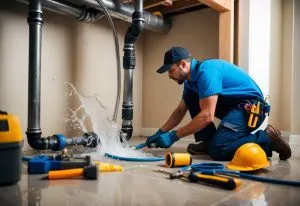
Now that immediate damage is under control, it’s time to call for professional help. You’ll need a licensed emergency plumber ASAP. In Tasmania, there are 24/7 services for emergency burst pipe repair; don’t hesitate. A real burst pipe is a plumbing emergency and should be treated as such. An expert will fix the problem properly and prevent future leaks.
“Burst pipes are indeed common plumbing emergencies that homeowners face,” says Service First Plumbing, noting that long-term damage sets in if you delay. You want to ensure any repair is done correctly. Missteps can make it worse. As soon as you get a plumber on the line, tell them: “This is an emergency burst pipe repair, water is flooding.” They will likely send someone immediately.
In Tasmania, look for a “Master Plumber” that means a fully licensed professional. The Master Plumbers Association of Tasmania can help you find qualified plumbers statewide. They can quickly identify and fix the break, whether it’s a burst copper line behind the wall or a damaged outdoor pipe. Emergency plumbers often arrive with special cameras, spanners, clamps, and know-how. If you have an insurance company that covers water damage, this is also the time to call them for guidance. Many home insurance policies cover sudden burst pipes.
Step 4: Document Damage and Clean Up
While you wait for help to arrive, document everything. Take clear photos or videos of the burst pipe and flooded areas. Note the time and conditions. This will make any insurance claim much smoother later on. If you have home insurance, report the incident immediately as advised by insurers. They may require details and might send an assessor.
Once the plumber fixes the pipe, do a thorough cleanup. Mop up remaining water and use dehumidifiers if possible to dry walls and floors. Keep ventilation going for days to prevent mold. Check hidden spaces for moisture. It’s important because water damage can worsen over time. As one expert bluntly puts it, Drying and repairs now will prevent major renovations later.
Table: Emergency Actions vs Mistakes
| What to Do | What Not to Do |
| Shut off the main water valve – stops flooding at source. | Don’t ignore the leak or delay shutting the water off. |
| Turn off electricity – prevents shock/fire risk. | Never touch electrical fixtures if water is present. |
| Drain faucets – relieves pipe pressure and remaining water. | Don’t skip draining; trapped water can still gush out. |
| Call a licensed emergency plumber – gets the job fixed right. | Avoid choosing an unqualified “handyman” or Googling ads at random. |
| Document damage – for insurance and records. | Don’t clean up before taking photos – you need proof of damage. |
Conclusion
A burst pipe can be a nightmare, but if you follow this step-by-step emergency burst pipe repair plan, you’ll minimize the chaos and damage. First: cut off the water quickly, then make sure your electricity is safe. Next, contain what you can and call a licensed plumber immediately. Take photos for insurance, and start drying things out.
Remember, acting fast is key. As one source notes, burst pipes . Don’t wait to see what happens next. Plumbing for consumers: Have your plumber’s number on the speed dial so you’re ready if disaster strikes.
Stay calm, handle the immediate steps above, and you’ll turn a plumbing emergency into a manageable event. Now, take a deep breath and prepare for the plumber.
FAQs: