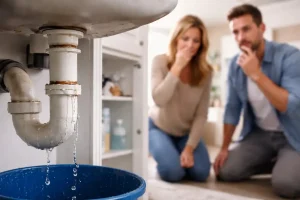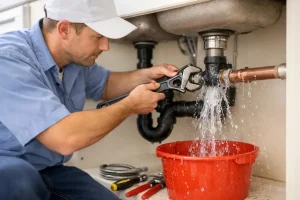
Blocked drains are a common issue for many households in Tasmania. Typical warning signs include sinks that bubble when you wash dishes, slow drainage, or unusual gurgling sounds coming from the bathroom. These are clear indicators that your pipes may be blocked. This guide explains the key steps of blocked drains services, including how to identify the problem, apply effective solutions, and know when it is time to call a professional plumber.
Spotting a Blocked Drain
Blockages often creep up quietly. You may notice slow draining, gurgling noises from the drainpipe, or even foul odors emanating from your taps. These are classic warning signs. Imagine taking a shower and hearing wet, burbling sounds that’s your drain sending an urgent text: “Hey, I’m blocked!” Likewise, if water starts backing up into one fixture when you flush another, the main line could be clogged.
- Slow Drainage: Water lingers or pools instead of flowing away smoothly.
- Foul Smells: Unpleasant odors from drains suggest decaying waste trapped inside.
- Gurgling Sounds: Bubbles or gurgles mean air and water are battling a blockage.
- Backups: Water coming up in sinks, tubs, or toilets is a red flag for a serious clog.
Early on, you might fix a minor clog with simple steps. But if the signs persist or worsen, it’s time to consider professional blocked drains services.
DIY First-Aid for Clogged Drains
Before dialing a plumber, try some home remedies. Often a little at-home plumbing kit can get you back on track.
A plunger and hot water are your first-aid kit for minor clogs.
- Boiling Water Flush: Pour a kettle of boiling water down the drain in stages. Hot water can melt soap scum or grease in kitchen sinks. This simple trick sometimes does the trick for light blockages.
- Plunger: A classic cup or flange plunger can dislodge blockages in sinks, toilets, or showers. Make sure there’s enough water to cover the plunger cup, seal it tightly, and plunge vigorously.
- Baking Soda & Vinegar: Pour ½ cup of baking soda down the drain, followed by ½–1 cup of white vinegar. Cover the drain and wait 15–20 minutes. The fizzing reaction helps break up grime. Rinse with hot water afterward. This eco-friendly hack is great for hair clogs or light grease.
- Drain Snake: If you have a clog you can’t reach, a drain snake is your next step. Insert it into the drain and twist to hook the debris, then pull it out. Hardware stores sell manual snakes; they’re handy for bathroom drains.
These methods often free up a minor clog. If your drain clears after the trick, great – just remember to clean out any trapped gunk or hair from strainers or traps to avoid a repeat performance. However, if nothing budges or the same drain keeps clogging repeatedly, move on to the next steps.

When to Call Blocked Drains Services
Sometimes DIY hits its limit. You don’t want to keep up the fight and accidentally damage your pipes. Here’s when it’s best to call in the professionals:
- Recurring Clogs: If the drain blocks again soon after you clear it, there’s likely an underlying issue.
- Multiple Fixtures: When two or more drains are slow simultaneously, it hints at a mainline problem.
- Complete Blockage: If water isn’t going down at all – or worse, is backing up into toilets or showers – turn off the taps and call an expert right away.
- Foul Odors/Gurgles Persist: Persistent smells or gurgling mean the clog is holding on tight.
- History of Old Pipes or Trees: Tasmanian homes often have old clay pipes or nearby trees. If you suspect root intrusion, get help.
Ignoring big clogs is like ignoring a toothache – it only makes things worse and more expensive later. Plumbers have specialty equipment and training to tackle tough jobs safely. One Tasmanian plumber told us “Pouring Drano just pushes the problem down the line, it doesn’t fix roots or broken pipes. So don’t risk costly damage blocked drains services are there for a reason.
How Blocked Drains Services Work: Step-by-Step
When you call a Tasmanian blocked drains service, expect a methodical approach. Here’s a typical step-by-step process that experienced plumbers follow:
- Inspection & Diagnosis: First, the plumber will inspect the drain. This might be as simple as a flush test or listening at the sink, but often it means video camera inspection. They insert a waterproof CCTV camera into the pipe to see exactly what’s wrong. This “spy cam” shows any blockages, cracks or root intrusions without digging up your yard. Tasmanian experts stress that knowing the exact issue means fixing it right the first time.
- Clear the Clog: Once the culprit is identified, they deploy the right tool. Common methods include:
- Plumbing Snake/Auger: For moderate clogs, an electric drain snake can reach deep and snag or shred the blockage.
- Hydro Jetting: This is heavy-duty. A high-pressure water jet blasts away grease, sludge, and even tree roots from inside the pipes. Picture a firehose of water unleashed in your drain; it literally cuts through blockages in seconds. Many Tasmanian plumbers use hydro jetters because they flush out years of build-up effectively.
- Chemical Cleaning: Sometimes chemicals are used, but only by pros who handle them safely. They know how to protect pipes and the environment..
- Plumbing Snake/Auger: For moderate clogs, an electric drain snake can reach deep and snag or shred the blockage.
- Excavation & Repair: In rare cases like a collapsed pipe or massive root infestation the only fix is to dig. The plumber will then repair or replace the broken section of pipe. In Tasmania’s case, this might mean patching old clay pipes.
- If the pipes are cracked or “chewed” by roots, a trenchless pipe relining may be offered. This technique puts a new pipe liner inside the old one, sealing cracks and blocking roots. It’s quick and often less disruptive than digging up the yard.
- Final Inspection & Clean-Up: After clearing, the plumber will flush the drain and often run the camera down again to ensure the pipe is perfectly clear. They might show you the before-and-after footage, so you see exactly what was done. Finally, they’ll tidy up, leaving your area cleaner than when they arrived.
Throughout the process, you should feel like an involved partner. A good plumber explains each step. In the end, your pipes should be free-flowing, and you’ll know how to prevent future hassles.
A high-pressure hydro jet can blast through stubborn blockages, cleaning the pipe walls in the process.
Preventing Future Blockages: Smart Plumbing Tips
Now that your drains are clean, let’s keep them that way. Prevention is the cheapest fix – consider it plumbing insurance. Here are proven tips to stop blockages before they start:
- Watch What Goes Down the Sink:
- Grease & Oil: Don’t dump cooking fats into the kitchen sink. Fat solidifies in cold pipes and traps debris. Instead, wipe grease off plates into the trash before washing.
- Food Scraps: Use a sink strainer or plug to catch bits like coffee grounds and vegetable peelings. Even small particles can accumulate.
- Non-Flushables: Only flush toilet paper and human waste. Baby wipes, sanitary products, cotton buds and the like can form instant blockages Dispose of these in the bin.
- Grease & Oil: Don’t dump cooking fats into the kitchen sink. Fat solidifies in cold pipes and traps debris. Instead, wipe grease off plates into the trash before washing.
- Use Drain Guards: In bathrooms, install hair-catchers or screens in sinks and showers. Clean them regularly. In the kitchen, a fine strainer in the sink works wonders.
- Regular Maintenance: Every month, pour a pot of hot water down the drain or a half-cup of baking soda + vinegar, then rinse with hot water. This flushes away sticky soap scum and minor grease.
- Be Plant-Wise: Be careful planting big trees near your sewer line. Tree roots can invade pipes looking for moisture. If you have large gums or willows near your house, think about trenchless inspections every few years. Icon Water explicitly warns Tasmanians to plant vegetation away from sewer pipes to avoid root blockages.
- Schedule Professional Inspections: Once a year, get a plumber to CCTV your main sewer line. Even a tiny crack or an early root intrusion can be spotted and repaired before it becomes a major problem. A short preventive visit can save thousands later; it’s the plumbing equivalent of a health check-up. For official guidance on compliance and maintenance, you can also refer to Building and Plumbing — PlanBuild Tasmania
By treating your drains with care, you’ll reduce calls for blocked drains services. And remember: prevention is always less hassle than cure.
| Common Culprit | Prevention Tip |
| Hair & Soap | Use hair-strainers; clean drains regularly. |
| Grease & Food | Wipe fat into trash; run hot water after cooking. |
| Wet Wipes & Sanitary Items | Flush only toilet paper; bin other items. |
| Tree Roots & Leaves | Plant trees away from pipes; gutter guards for drains. |
| Foreign Objects | Don’t flush non-degradable items. |
Conclusion: Call Your Local Experts
Nobody wants to play plumber on a rainy Tasmanian day. By now you know how to spot a blocked drain, try safe DIY fixes, and when to hand things over to professional blocked drains services. We’ve covered the step-by-step process from diagnosis to hydro jetting and shared insider tips to keep your pipes flowing smoothly.
So next time you hear a mysterious splash or smell something funky from a drain, act fast: clear minor clogs with boiling water or a plunger, but don’t hesitate to call the pros for bigger issues. Book your local licensed plumber for thorough blocked drains services in Tasmania, and say goodbye to clogged-up chaos.
Stay on top of it a bit of care now means fewer plumbing emergencies later. If this guide helped, share it with friends, and let’s keep Tassie’s drains happy.
FAQs
- What causes most blocked drains?
Common culprits are hair and soap scum in bathrooms, grease and food in kitchens, and tree roots or debris in main lines. Even “flushable” wipes or flushed items like cotton buds and too much toilet paper can jam up pipes - Can I clear a blocked drain myself?
Often yes, if it’s a minor clog. Try pouring boiling water, using a plunger, or a mixture of baking soda and vinegar. A hand-held drain snake can also remove hair or debris. If DIY methods fail or the problem recurs, it’s time to call in blocked drains services. - When should I contact a blocked drain service?
Call a professional if the drain stays slow or blocked after DIY attempts, if multiple drains clog at once, if foul smells persist, or if water starts backing up into sinks or toilets. In short, any serious or repeating blockage needs expert attention.