Introduction
Septic tanks are a crucial component of on-site wastewater treatment systems, commonly used in residential and rural areas without access to municipal sewage networks. They provide an effective and environmentally friendly way to manage household wastewater. This guide will explore how septic tanks work, their benefits, maintenance tips, and signs of potential issues.
What is a Septic Tank?
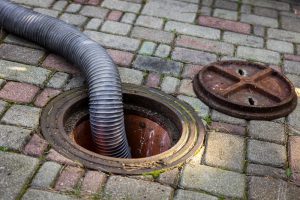
A septic tank is an underground chamber made of concrete, fiberglass, or plastic that collects and treats wastewater from a home or building. It operates using a natural biological process that separates solids from liquids, allowing for safe disposal into the surrounding soil through a drain field.
How Do Septic Tanks Work?
- Wastewater Collection: All wastewater from toilets, sinks, showers, and appliances flows into the septic tank.
- Separation Process: The tank allows solids to settle at the bottom (sludge), while lighter materials like grease and oil float to the top (scum).
- Bacterial Breakdown: Natural bacteria within the tank break down organic matter, reducing waste volume.
- Effluent Discharge: The liquid portion (effluent) exits the tank through an outlet pipe and is further filtered and absorbed by the drain field.
- Soil Filtration: The drain field allows water to percolate into the soil, where remaining contaminants are broken down naturally.
Benefits of Septic Tanks
- Cost-Effective: No monthly sewage fees; only periodic maintenance costs.
- Eco-Friendly: Reduces pollution and conserves water by recycling wastewater naturally.
- Efficient Waste Management: Handles household wastewater safely without relying on external sewage infrastructure.
- Long Lifespan: With proper maintenance, septic tanks can last for decades.
Septic Tank Maintenance Tips
Maintaining your septic tank is essential for its longevity and performance. Here are some key maintenance practices:
- Regular Pumping: Septic tanks should be pumped every 3–5 years to remove sludge buildup and prevent system failure.
- Watch What You Flush: Avoid flushing non-biodegradable items, grease, oils, or harsh chemicals that can disrupt bacterial balance.
- Reduce Water Usage: Excessive water usage can overload the system. Use water-efficient fixtures and spread out laundry loads.
- Inspect for Leaks or Damage: Regularly check for cracks, leaks, or unusual odors that might indicate an issue.
- Maintain the Drain Field: Avoid driving over or planting trees near the drain field to prevent damage and blockages.
Signs of Septic Tank Problems
If your septic system is experiencing issues, early detection can save you from costly repairs. Common signs of problems include:
- Slow Drains & Toilets: Water draining slowly may indicate a full or clogged septic tank.
- Unpleasant Odors: Strong sewage smells around your home or drain field suggest a septic backup.
- Standing Water: Pooled water near the drain field can signal drainage issues or system failure.
- Lush, Green Grass: Overly green or fast-growing grass above the drain field might indicate excess moisture from a leaking tank.
- Sewage Backup: If wastewater backs up into sinks, toilets, or showers, your tank might be full or blocked.
When to Replace a Septic Tank
A well-maintained septic tank can last 20–40 years. However, replacement may be necessary if:
- The tank is severely cracked or damaged.
- Frequent repairs are needed due to recurring issues.
- The system fails to process waste efficiently.
- Local regulations require an upgrade.
Bristow Plumbing’s Septic Tank Services
At Bristow Plumbing, we specialize in comprehensive septic tank solutions to keep your wastewater system running smoothly. Our services include septic tank installation, routine maintenance, pumping, repairs, and system inspections. We also provide expert advice on optimizing your wastewater management and ensuring compliance with local regulations. Whether you’re installing a new system or maintaining an existing one, our experienced team is here to help. Contact us today for professional septic tank services in Lower Longley and throughout Tasmania.